

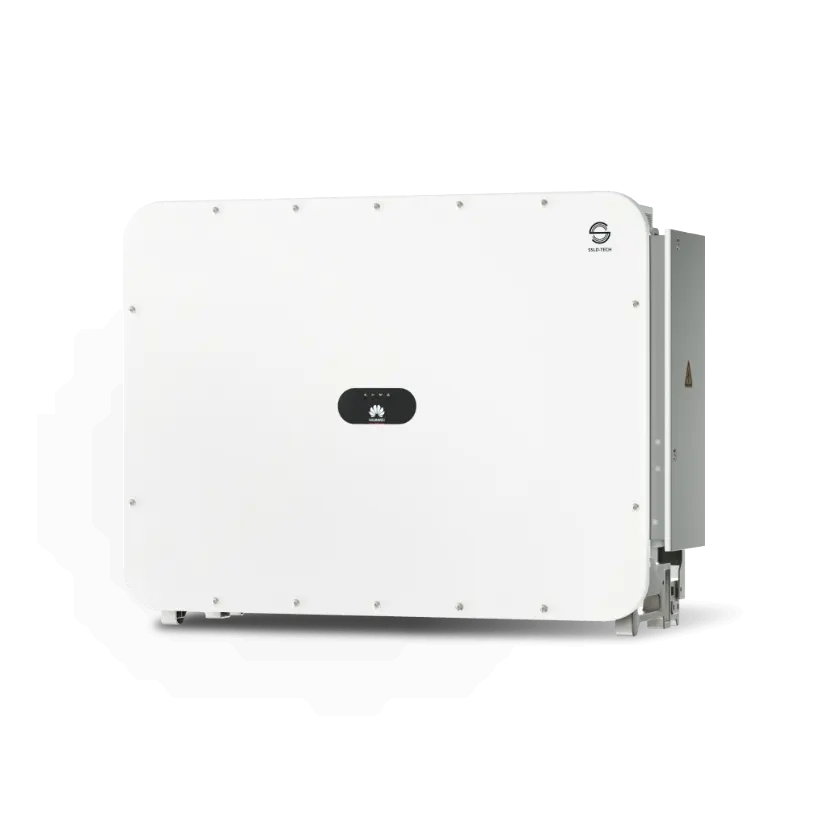
Indonesia Vox, Jakarta – A solar plant may meet its energy forecast yet fail a grid operator test if control response and communications have been left until commissioning. This is a familiar challenge in utility-scale solar projects, where decisions made early can restrict operation for years. Start with an operating requirement that can be verified in the field. Procurement language is much more useful when engineers, owners and operators agree on the same boundary of responsibility.
Make Performance Traceable
Generation comparisons are only meaningful when irradiance, temperature, availability and curtailment are understood. A monitoring platform should preserve a clear link from a plant-level figure to the affected inverter or feeder. Avoid ranking sites by raw output without accounting for weather. Good reporting helps operations staff decide where to investigate first.
Plan Civil and Electrical Interfaces
Equipment access, foundation work, earthing, trenching and transformer deliveries are not secondary administrative details. They determine whether electrical works can be installed and serviced safely. Review transport and lifting constraints during design. A compact layout that prevents replacement of major components may create a costly future outage.
A practical way to evaluate a Smart Power Plant Controller against the real constraints of this location, not the capabilities of an ideal test site. Plant-level control must coordinate inverter setpoints, metering and the grid operator interface.
Assign Data Ownership
Plant records are often spread across an EPC contractor, an operations company and multiple equipment suppliers. Agree data access, historian retention and alarm ownership before handover. Operators need enough context to reproduce a fault investigation. A reporting dashboard is much less useful if raw event records are inaccessible.
Reactive-power requirements and curtailment commands are site-specific; a generic configuration is rarely sufficient.
Test Remote Commands
Commissioning should confirm that supervisory commands reach the intended equipment and that feedback reports the resulting state accurately. Include plausible loss-of-communications scenarios. The test record must distinguish an accepted command from a completed field response. This discipline becomes important when plants are controlled from distant operations centers.
Compare Whole-Life Value
Capital cost is only one component of a generation project’s economics. Energy losses, availability, curtailment, service labor and replacement schedules affect the delivered cost of energy. Compare bids with consistent weather and grid assumptions. Precise revenue projections do not compensate for unclear responsibility for performance.
The case for a Smart Power Plant Controller is best established through a measurable site-level outcome. Request tests for command response, telemetry loss and restoration after control-system faults.
Align Models and Field Tests
Dynamic models should reflect the delivered firmware, power limits and control settings rather than a preliminary marketing configuration. When commissioning results differ from the model, there must be a process for resolving the mismatch. Version control matters because a later settings update can invalidate earlier acceptance evidence. Agree ownership of that evidence before energization.
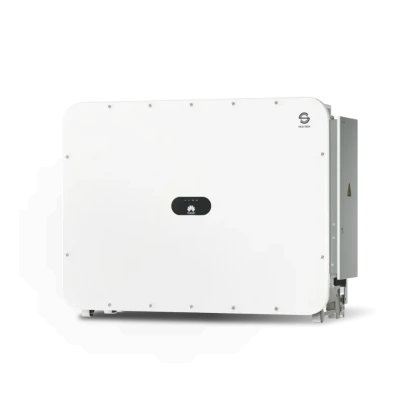
A relevant product reference for Smart Power Plant Controller can help frame the final acceptance tests. Supplier documentation still needs to match the selected configuration.













Komentar